IFC Vedika promotes sustainable agricultural practices to strengthen small and marginal farming communities and build resilient rural livelihoods across India.
Integrated Farming Clusters is a focused initiative supported by Society for Elimination of Rural Poverty (SERP) to strengthen and empower small and marginal farmers. The initiative promotes collective action and sustainable natural farming practices as pathways to achieving resilient livelihoods, long-term agricultural prosperity, and environmental sustainability.
IFC Vedika — Integrated Farming Clusters — is designed to promote and support sustainable, chemical-free natural farming practices among rural farming communities.
Implemented by Farmer Producer Organisations (FPOs) and funded by SERP (Society for Elimination of Rural Poverty), the program creates self-sustaining agricultural ecosystems that improve incomes, preserve soil health, and empower farmers.
Design of the program; Developing planning/ training modules;Preparing training and communication materials; build capacities of CRPs and handholding support and documentation
Eliminating dependency on chemical inputs by using locally available resources, traditional knowledge, and biological alternatives.
Producing organic manure through composting and vermicomposting to enrich soil fertility and structure naturally.
Community Managed Water sharing Systems through the local governance system.
Efficient use of resources, reused, and regenerated within the village to reduce waste and improve livelihoods. ecycling organic waste into compost,integrating crop and livestock systems, using local renewable resources, and encouraging community-based enterprises. Improve environmental health, reduce dependency on external inputs, and strengthen the village economy through continuous circulation of resources.
Encouraging inter-cropping and multi-layer farming systems to maximize yield, reduce risk, and improve soil health.
Combining crop farming with dairy, poultry, and goat rearing to create a circular, self-sustaining farming economy.
Access technical guides, videos, and success stories to deepen your understanding of sustainable agriculture.
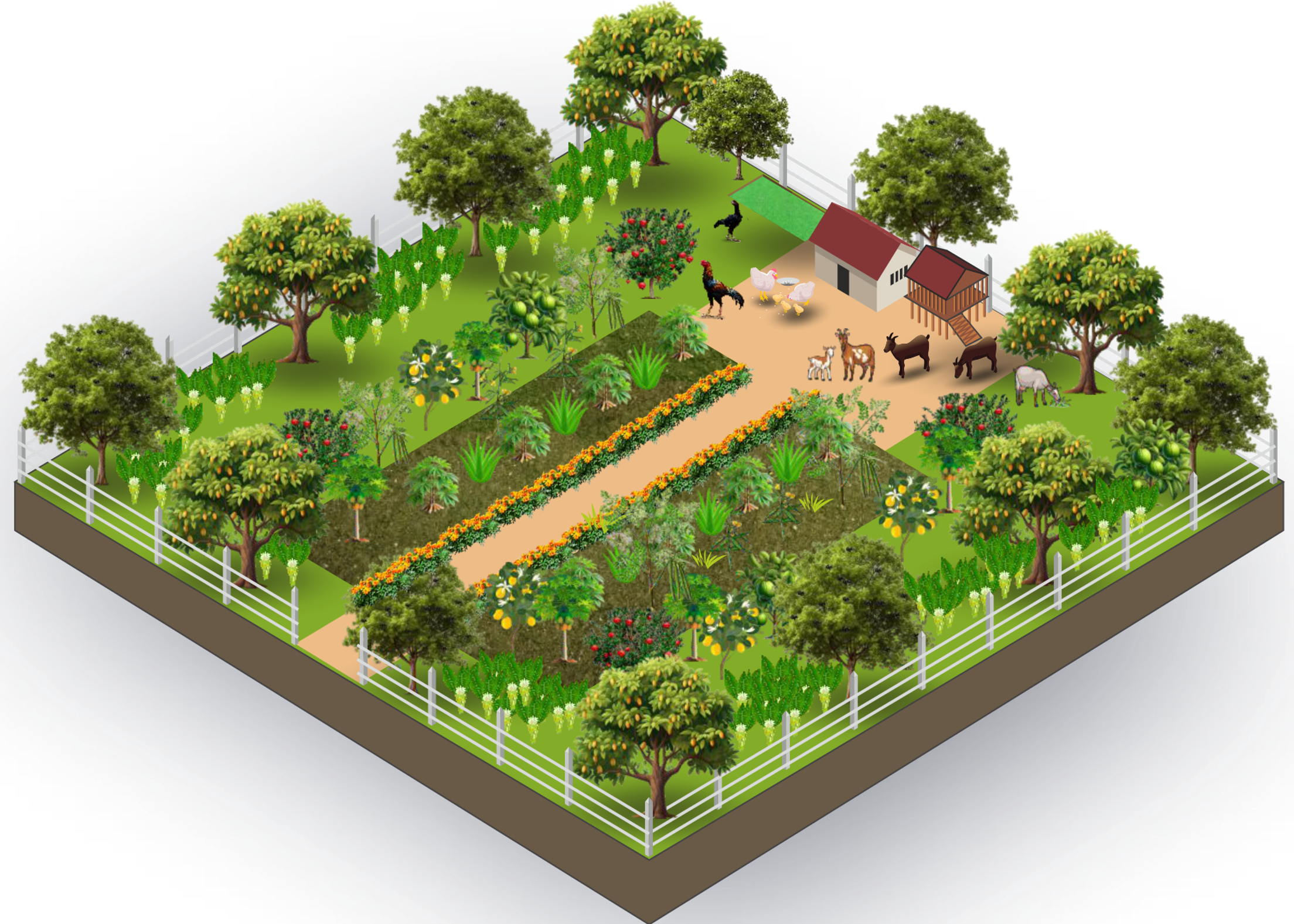
Desi-poultry has a good local unsaturated market with a premium price. This model evolved by WASSAN has been widely successful. The intensive farming model integrates foraging-based desi poultry (about 50 hen units) with 5 layer model of tree plantation and vegetable production in about half-acre land. Experience suggests that the entrepreneurs can earn annually about Rs.75000 to Rs.125,000 per farm with an investment of Rs.1.50 lakhs. Even elderly people can manage the farm without much labour once it is established. It is a circular-ecosystem model requiring very minimal external inputs
ExploreA3 Vanam- Aaharam , Arogyam and Adayam.. A Poly crop Model, An INTENSIVE, MULTI-LAYER POLY-CROPPING SYSTEM based on agroecological Principles of recycling for safe, diverse and nutritive food & income enhancement.
ExploreThe concept of transforming traditional farm ponds into Eco Farm Ponds to improve water conservation, sustainable agriculture, and rural livelihoods in tribal and rainfed areas. Implemented by WASSAN in the ASR and Manyam districts of Andhra Pradesh, the initiative promotes integrated farming through water management, fisheries, horticulture, and natural farming practices.
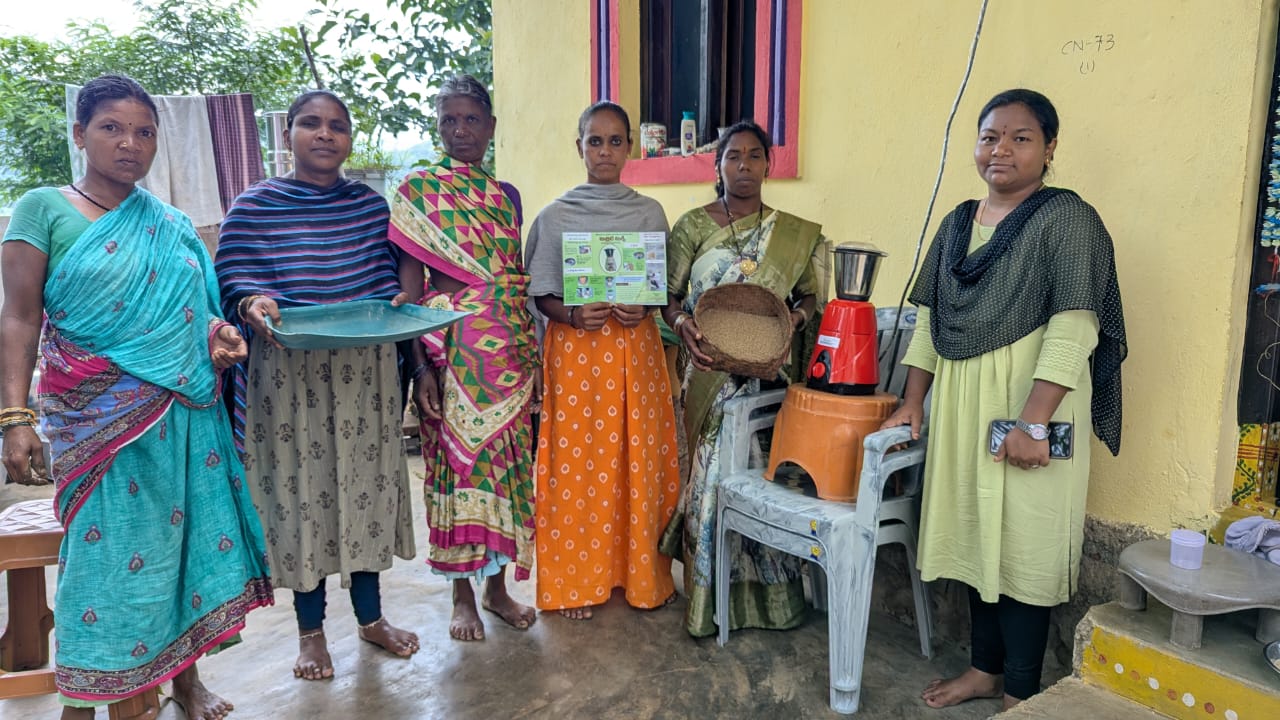
ExploreJoin hands-on training sessions, farmer meetups, and awareness programs across the region.
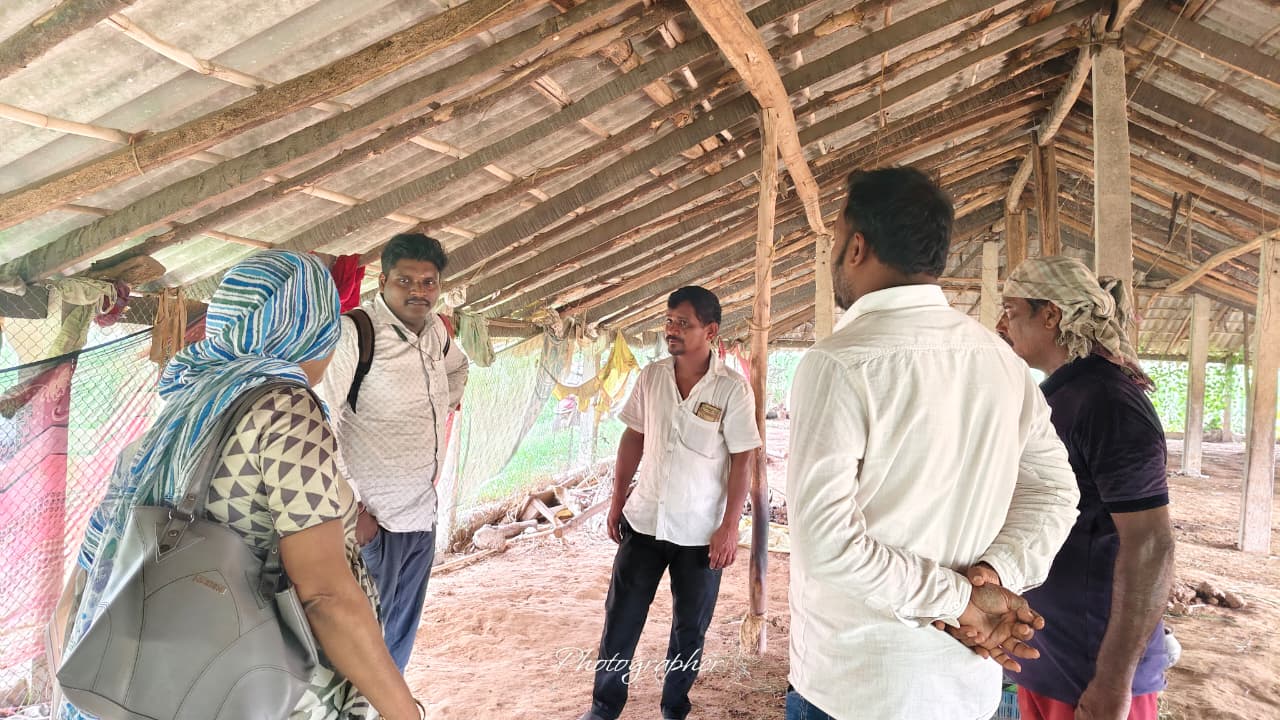
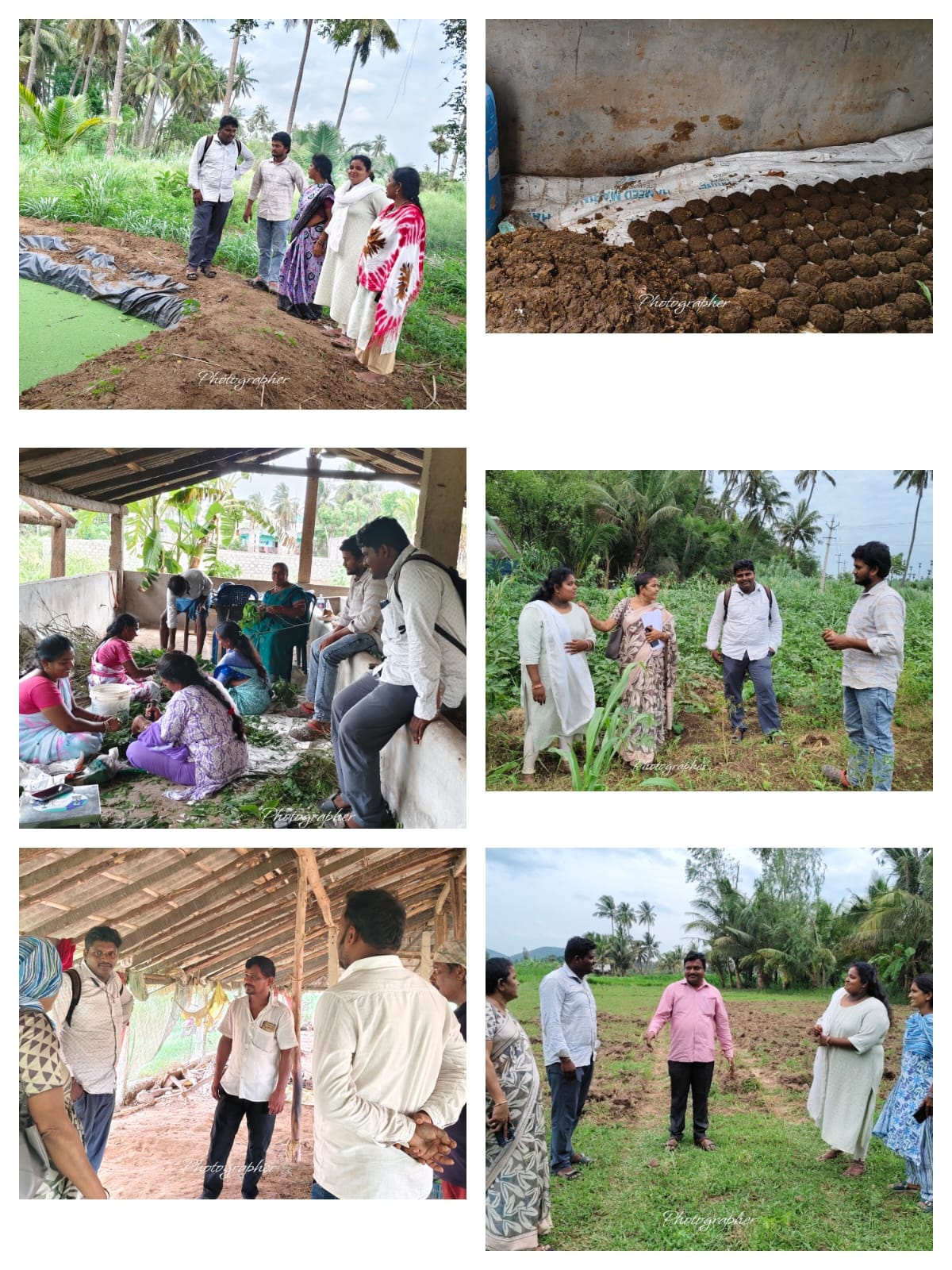
An Immersion Training Program was conducted for IFC Anchors at Gudibanda MMS office to enhance their understanding of nutrition-sensitive interventions, community mobilization, and field-level implementation strategies. The training combined interactive sessions, practical demonstrations, and experience sharing to strengthen their capacity to effectively support and guide community-based nutrition initiatives.
FPO Bord of Directors capcity building training porgramme on FPO management, governance, roles and responsibilities of BOD members, organizational development, business planning, and strategies for strengthening FPO operations. The training program was attended by the SERP DPM-LH, and other team members APM's, FPO BOD members, Cluster Coordinators (CCs), and Anchor Persons.
A monthly Board of Directors (BoD) meeting was conducted to review organizational progress and discuss key initiatives, including PMDS seed preparation, identification of new enterprise opportunities, business planning, and value addition activities. The meeting focused on strengthening the FPO’s sustainability and enhancing income-generating opportunities for its members through strategic planning and market-oriented interventions.
Supported & Funded By